16 Sep 2026
Algorithm-Driven Curation of Matching Accessories for Home Entertainment Spaces
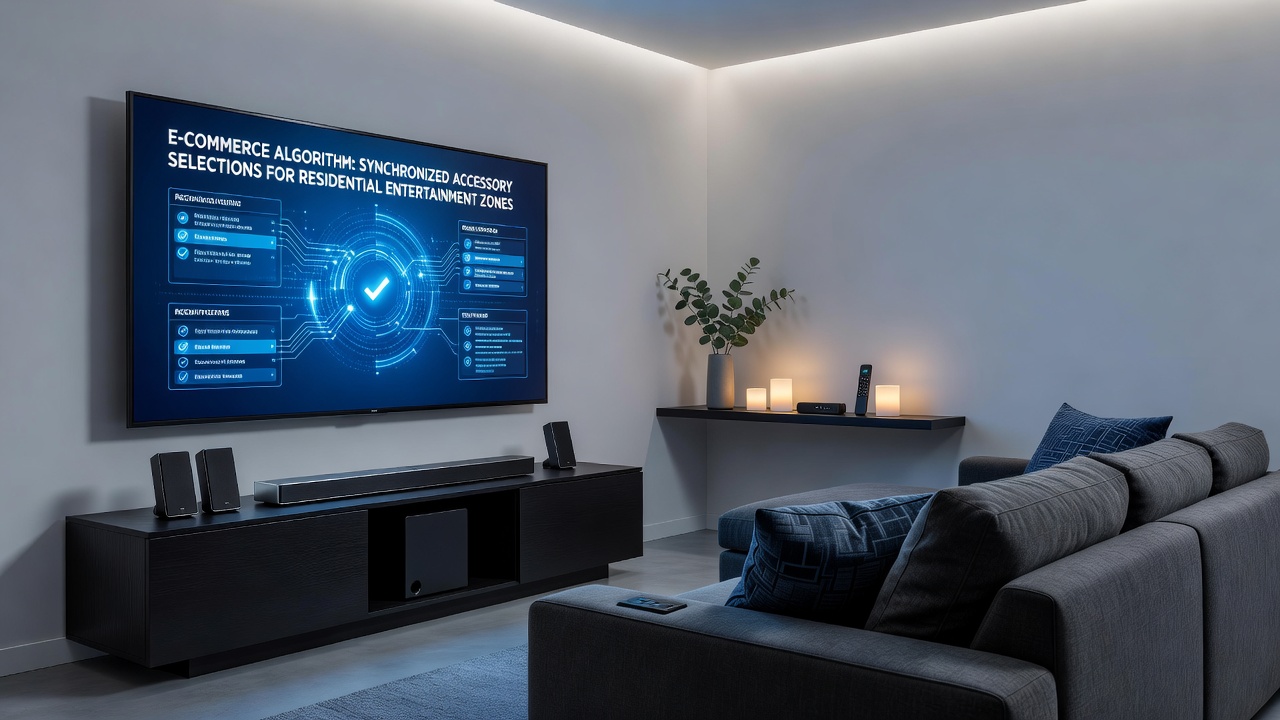
Retail platforms employ sophisticated algorithms to analyze user preferences and inventory data when suggesting synchronized accessories for residential entertainment zones, and these systems draw from browsing histories, purchase patterns, plus product compatibility metrics to propose items that align in style, function, and technical specifications. Data from the U.S. Census Bureau shows e-commerce sales in home goods categories rose steadily through 2025, with similar upward trends continuing into September 2026 as more households equipped dedicated leisure areas with integrated audio-visual setups.
Core Mechanisms Behind Recommendation Engines
Machine learning models process vast datasets that include customer reviews, return rates, and cross-category purchase correlations, while collaborative filtering techniques identify groups of buyers who selected similar entertainment configurations and then surface accessories those groups acquired next. Content-based filtering complements this approach by matching product attributes such as color finishes, material types, and connectivity standards, so a purchaser of a wall-mounted display unit often receives suggestions for matching soundbars or ambient lighting strips that share the same design language. Observers note that these combined methods reduce decision fatigue for shoppers building cohesive spaces, and platform operators report higher average order values when recommendations emphasize synchronization over isolated product listings.
Geographic and Seasonal Trends in Accessory Pairing
European retail analytics from Eurostat indicate that demand for coordinated home theater components spiked in northern markets during the third quarter of 2026, whereas southern regions showed stronger interest in outdoor entertainment kits featuring weather-resistant seating and wireless audio systems. In September 2026, several platforms adjusted their algorithmic weights to account for back-to-school purchasing cycles that overlapped with home renovation projects, resulting in increased promotion of modular storage solutions paired with gaming consoles and streaming devices. Researchers at institutions tracking digital commerce patterns have documented how regional preferences influence suggestion accuracy, with Canadian buyers favoring minimalist designs that complement compact urban living spaces and Australian consumers prioritizing durable, sun-resistant materials for alfresco setups.
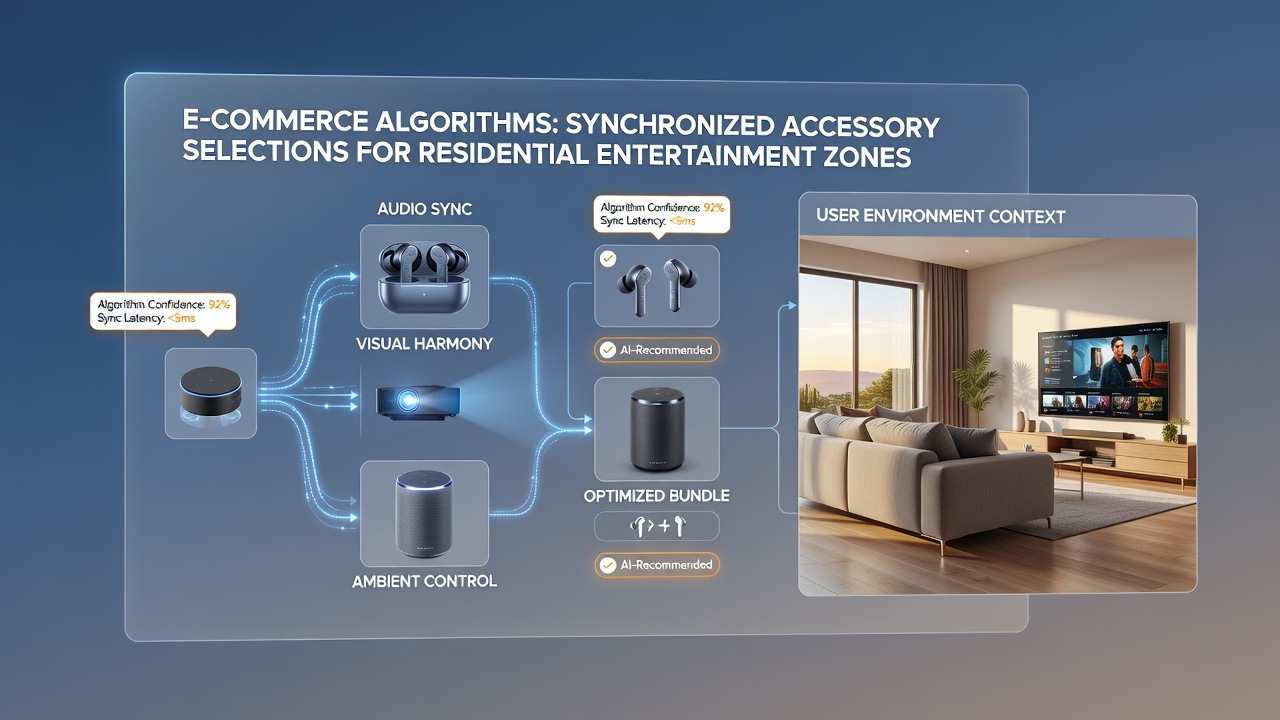
Technical Compatibility Factors in Algorithmic Suggestions
Algorithms evaluate electrical requirements, wireless protocol compatibility, and mounting specifications before generating bundles, and this process prevents mismatches that could lead to installation difficulties or suboptimal performance. For instance, when a customer selects a high-resolution projector, the system cross-references screen size recommendations with appropriate seating distances and then proposes acoustic panels or blackout curtains that maintain visual and auditory balance in the room. Industry reports from the National Retail Federation highlight that platforms incorporating real-time inventory checks achieve better synchronization rates, because suggestions only include items currently in stock and ready for coordinated shipping.
Case Examples of Successful Accessory Coordination
One documented instance involved a platform that paired a 4K television purchase with a specific sound system model and cable concealment kit, resulting in repeat accessory orders from the same household within thirty days. Another example showed how recommendation engines flagged lighting products with adjustable color temperatures that matched existing smart home ecosystems, thereby encouraging buyers to complete their entertainment zones without additional research. Those who study consumer behavior observe that such targeted suggestions often surface during peak browsing periods in the evening hours, when users explore leisure upgrades after work.
Data Sources Informing Algorithm Updates
Platforms integrate anonymized transaction logs with external market intelligence from organizations like Statistics Canada to refine their models, and this continuous feedback loop allows algorithms to adapt to emerging product categories such as wireless charging stations designed for media consoles. Academic papers published by researchers at the University of Melbourne have examined how seasonal lighting changes affect accessory choices in entertainment areas, providing additional variables that platforms now incorporate into their predictive frameworks. The result is a more dynamic suggestion process that accounts for both immediate compatibility needs and longer-term room evolution.
Conclusion
Algorithmic systems continue to shape how consumers assemble synchronized accessories for residential entertainment zones by combining compatibility checks, purchase pattern analysis, and regional trend data into actionable recommendations. As digital retail channels expand through 2026, these tools support increasingly precise pairings that align technical performance with aesthetic coherence across home leisure configurations.