30 Jul 2026
Digital Platforms Reshaping Access to Matched Table Game Sets Through Strategic Bundles
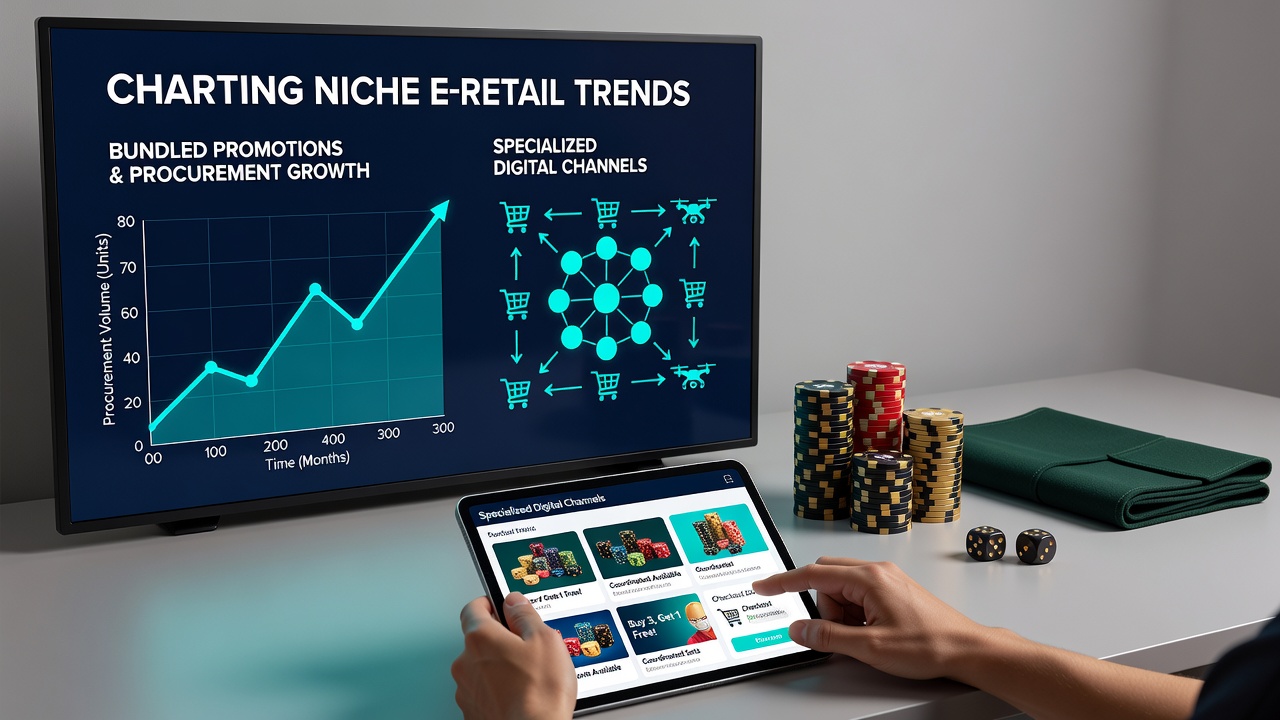
Specialized digital channels have expanded their reach in recent months as retailers adjust to shifting demand for coordinated table game components, and data from July 2026 shows continued growth in bundle-driven procurement patterns across niche platforms. Retail analysts track how promotions that combine gaming tables, wheels, chips and accessories create streamlined purchasing paths for consumers seeking complete home setups. These channels operate outside mainstream marketplaces, focusing instead on precise pairings that align materials, dimensions and styles for seamless integration in private environments.
Current Procurement Patterns in Niche Channels
Procurement activity in this segment relies on platforms that curate selections of roulette wheels, blackjack layouts and poker accessories designed to function together without compatibility issues, while figures from the U.S. Department of Commerce indicate e-retail sales of leisure equipment rose steadily through the first half of 2026. Consumers often select bundles that include matching chip sets and felt surfaces, reducing the need for separate sourcing that can introduce mismatches in color or finish. Observers note that such packages appear most frequently on sites dedicated to home gaming rather than general merchandise outlets.
Platform operators report that bundle structures typically feature tiered pricing where three or more items move together at adjusted rates, and this approach supports higher average order values compared with individual component sales. Data shows repeated purchases of sets that pair specific wheel diameters with corresponding chip weights and accessory storage solutions. Those monitoring transaction logs find that repeat buyers return for replacement parts once initial bundles establish baseline collections.
Role of Promotions in Driving Component Coordination
Promotional mechanics center on timed offers that highlight material compatibility, such as resin chip sets engineered for particular table felt thicknesses or wheel bearings matched to standard tournament dimensions. Retail data collected through mid-2026 reveals these promotions generate measurable upticks in cross-category purchases, particularly when marketing materials demonstrate side-by-side usage in simulated home settings. Specialized channels employ detailed product specifications that allow buyers to verify fit before checkout, reducing return rates associated with uncoordinated items.
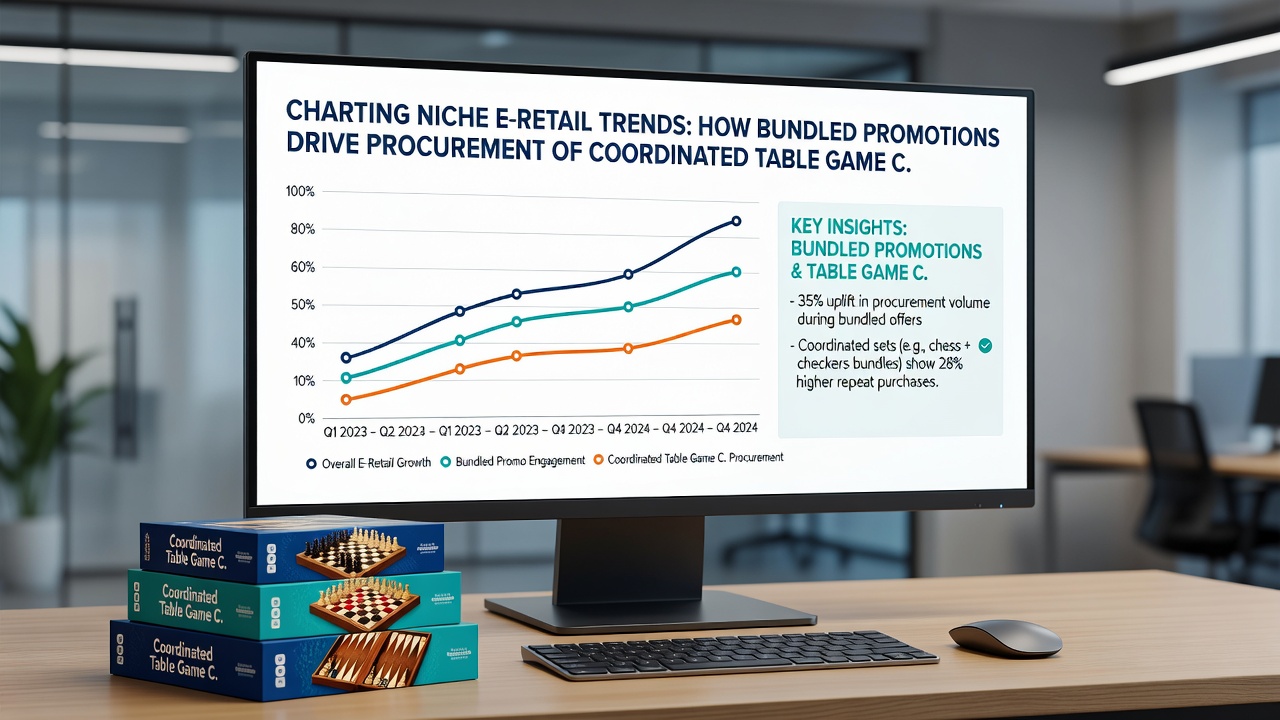
Seasonal campaigns running into July 2026 incorporated limited-edition color schemes and engraved markers, yet core sales volume continued to stem from standard coordinated kits rather than novelty variants. Research from the Australian Bureau of Statistics on household leisure spending aligns with these trends, noting increased allocation toward integrated recreational equipment sold through targeted online channels. Retailers maintain that transparent sizing charts and material composition lists within bundle descriptions contribute directly to conversion rates.
Supply Chain and Platform Specialization Factors
Manufacturers supplying these channels prioritize modular designs that accommodate future expansions, such as additional chip racks or interchangeable wheel inserts, and distribution networks have adapted to fulfill bundle orders within shorter windows than standard single-item shipments. Platform algorithms surface compatible recommendations during the selection process, guiding users toward complete configurations without requiring extensive prior knowledge of component specifications. Those analyzing sales records observe that bundles containing five or more elements maintain stronger repeat engagement than smaller groupings.
Logistics partners handling these specialized shipments focus on protective packaging that preserves felt surfaces and precision bearings during transit, while regulatory frameworks in multiple jurisdictions continue to classify such equipment as recreational rather than gaming devices. This distinction supports broader availability through standard e-commerce infrastructure. Industry reports compiled by the Canadian Gaming Association highlight parallel growth in accessory categories that complement table-based leisure products.
Conclusion
Digital retail patterns around coordinated table game components continue to evolve through structured promotional activity that emphasizes material alignment and functional completeness. Transaction data collected through July 2026 underscores the effectiveness of bundle strategies in consolidating purchases across multiple product categories within niche channels. Platform features that facilitate verification of compatibility remain central to sustained procurement activity as consumer preferences shift toward ready-to-use collections rather than piecemeal acquisitions.