23 Jul 2026
Procurement Evolution for Matched Elements in Private Table Game Setups Through Web Retailers
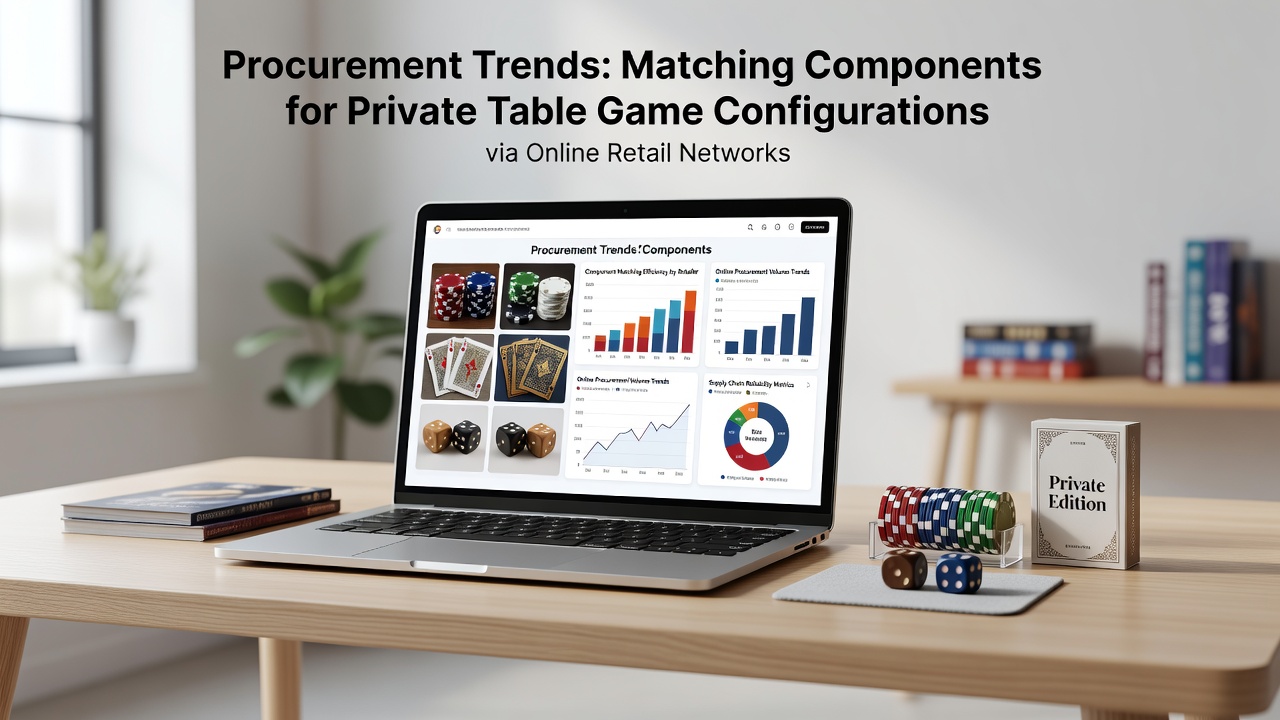
Digital retail platforms have expanded access to coordinated components for private table game arrangements, and data from multiple regions shows steady growth in bundled procurement options since early 2025. Observers note that buyers now frequently select complete sets containing gaming tables, wheels, and chips through single transactions on specialized e-commerce sites, while separate sourcing remains common for replacement parts or custom upgrades. Research from industry tracking services indicates that online channels accounted for a rising share of these purchases, particularly as manufacturers aligned product lines with consumer demand for visual and functional compatibility.
Material Compatibility and Sourcing Patterns
Compatibility concerns drive many procurement decisions, and studies reveal that material pairings such as felt surfaces with weighted chips or precision-balanced wheels with reinforced bases reduce long-term wear in home environments. Those who track supply chains report increased availability of modular kits that standardize dimensions across blackjack layouts, roulette assemblies, and poker accessories, allowing seamless integration without additional fabrication. In July 2026, several major platforms updated their catalogs to highlight cross-compatible lines, reflecting inventory shifts documented in retail analytics reports.
Procurement specialists observe that buyers often prioritize suppliers offering detailed specification sheets, and this practice supports informed matching of components across brands. Data indicates that metal and composite chip sets now pair more reliably with polymer or wood table frames, whereas earlier mismatches required custom orders or third-party adjustments. What's interesting is how digital filters on retail sites now surface only those items verified for fit, cutting down on return rates according to platform metrics.
Online Network Structures and Deal Mechanisms
Web-based retail networks have introduced subscription models and tiered promotions that bundle matched elements at reduced per-unit costs, and figures from e-commerce analyses show these structures gaining traction among repeat buyers. Government trade statistics from Canada and Australia document parallel increases in cross-border shipments of gaming furniture and accessories, underscoring the global reach of these platforms. People who monitor transaction volumes note that flash sales and loyalty programs frequently feature pre-matched roulette and blackjack components, encouraging larger initial purchases over piecemeal acquisitions.
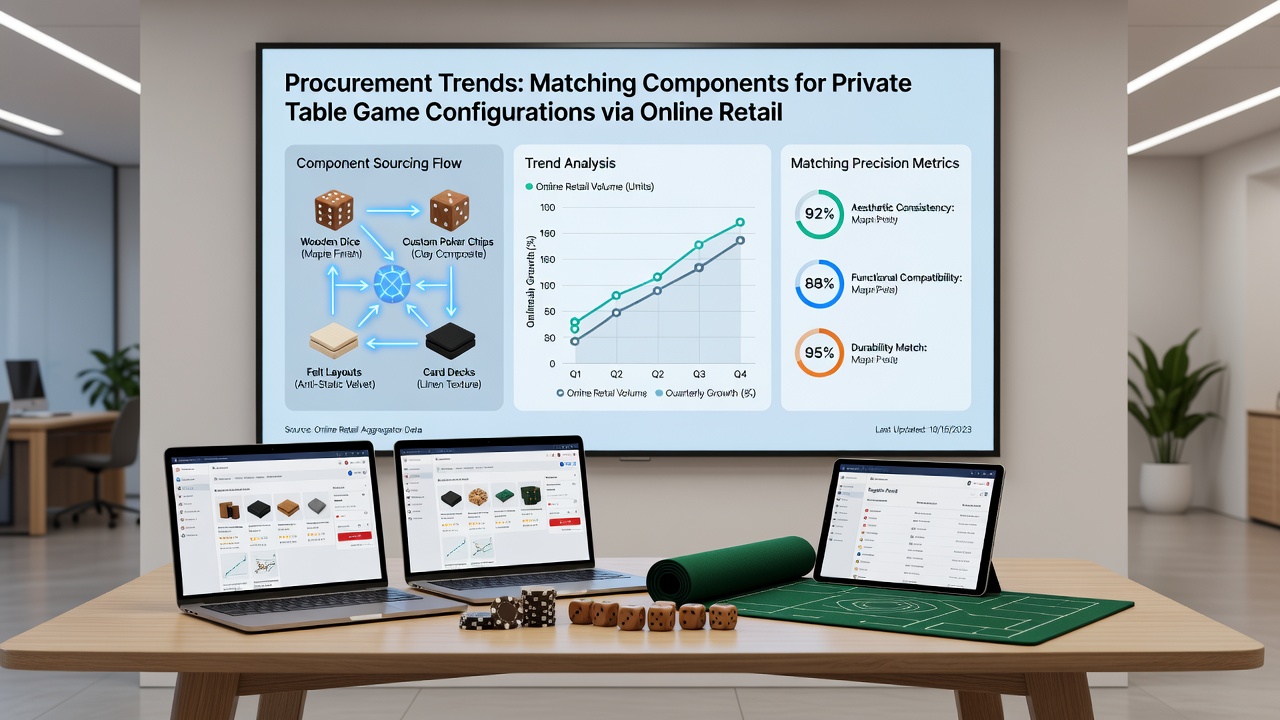
Deal structures also incorporate financing options and extended warranties tied to complete configurations, which according to consumer reports lower barriers for private operators assembling multi-game setups. Yet supply variability persists, and some networks address this through pre-order systems that lock in pricing while manufacturers fulfill seasonal demand spikes. Researchers tracking these patterns highlight how real-time inventory APIs help buyers confirm availability before committing, reducing delays that once characterized specialty orders.
Regional Variations in Component Availability
North American and European markets display distinct preferences in component sourcing, and regulatory updates in several jurisdictions have clarified import requirements for gaming equipment without restricting online retail access. A Statista analysis of global e-commerce trends shows that Asia-Pacific suppliers have expanded their presence in matched accessory lines, offering competitive pricing on chip sets and wheel assemblies that integrate with Western table standards. Those studying procurement flows note that localized warehousing has shortened delivery times, particularly for heavier items like full-size tables.
Academic papers on supply chain resilience point to diversified sourcing as a buffer against disruptions, and data from university logistics studies confirm that multi-vendor strategies now appear more often in private procurement records. In practice, this means buyers can combine a base table from one network with wheels and accessories from another while maintaining visual consistency through standardized color and finish options.
Conclusion
Procurement practices for matched table game components continue to adapt to digital retail capabilities, and ongoing platform enhancements support greater precision in component selection. Evidence from multiple data sources shows sustained interest in coordinated private configurations, driven by improved online tools and expanded product compatibility. Observers expect these patterns to persist as networks refine matching algorithms and manufacturers respond with more integrated offerings.